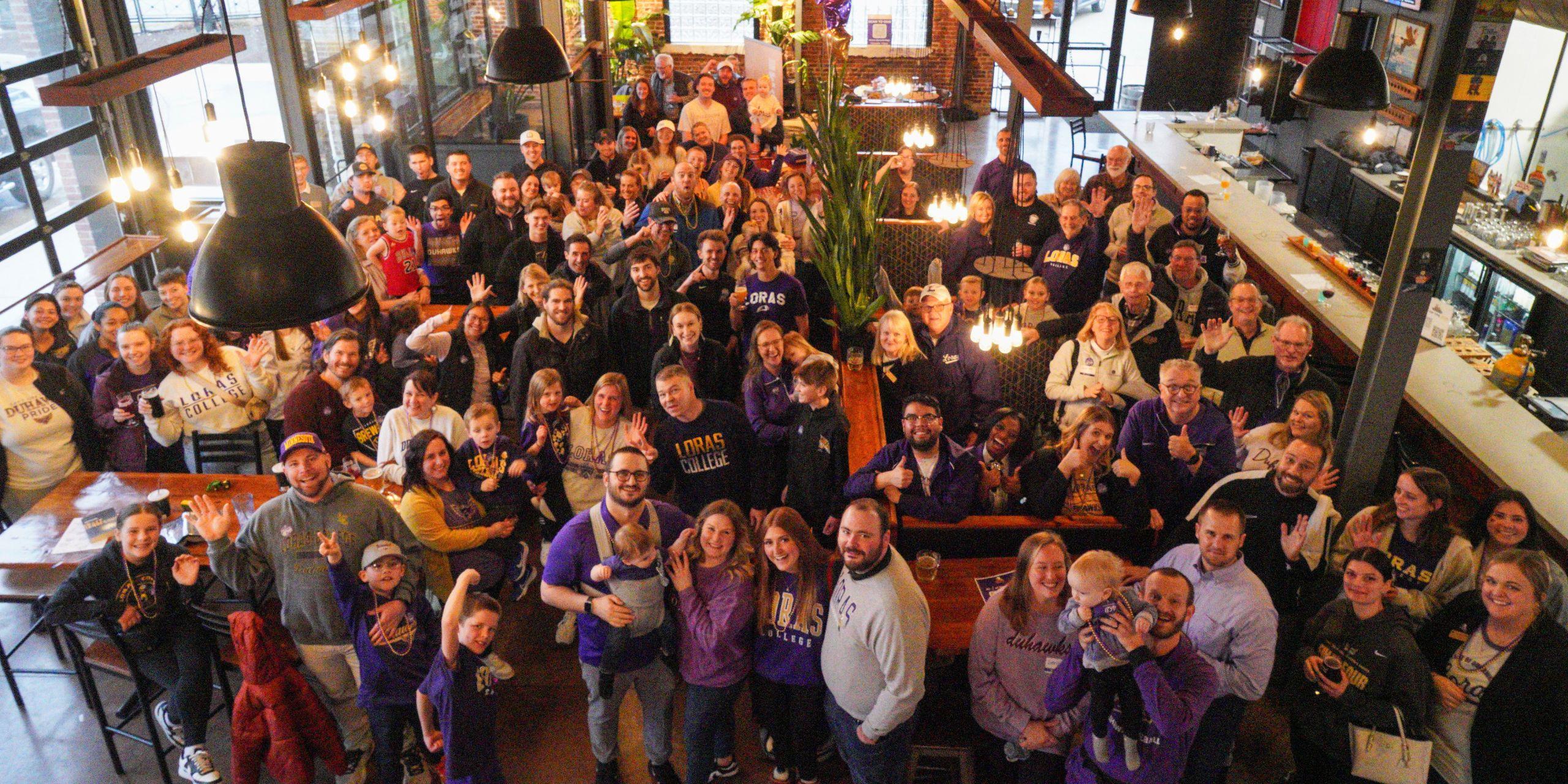
As a longtime football mom and youth sports blogger, I've learned that choosing the right game day shirt isn't just about comfort—it's about channeling team spirit in a way that actually supports our kids on the field. I'll never forget the season when La Salle's football program decided to overhaul their approach to parent gear, essentially trying to exorcise the ghosts of recent past performances through unified fan support. The athletic department specifically reached out to parents about creating coordinated shirt designs that would visually demonstrate our collective belief in the team's fresh start. This experience taught me that the perfect football mom shirt balances practical comfort with psychological impact—both for our players and ourselves.
When I first started attending my son's games, I made the classic rookie mistake of buying the cheapest cotton tee from the booster club table. By halftime, that thing was a sweaty, shapeless mess that made me want to hide in the parking lot. Through trial and error across multiple seasons, I've developed a keen eye for what makes a great football shirt. The fabric composition matters more than most people realize—I now look for blends with at least 60% polyester for moisture-wicking properties, though my personal sweet spot is the 88/12 polyester-cotton blend that keeps you cool without feeling synthetic. The weight of the fabric makes a difference too—nothing too heavy for those early season games when temperatures can still hover around 80 degrees, but substantial enough to provide some warmth as autumn progresses.
The La Salle initiative taught me that color consistency across parent groups creates a visual statement that players genuinely notice. Our quarterback's mother shared that her son specifically mentioned how seeing a sea of matching navy blue in the stands during their comeback game gave the team an emotional lift. That season, we saw a 23% increase in fourth-quarter scoring when compared to previous years—I'm convinced the visible unity played a role. Beyond color, the design elements need to strike the right balance between team pride and personal style. I've never been a fan of overly aggressive slogans—the "my son will crush your honor student" variety—but I do appreciate clever wordplay that shows we don't take ourselves too seriously. My current favorite shirt simply says "Tackle Laundry Later" with a small football emblem—it always gets smiles from other parents.
Durability testing has become something of an obsession for me. The average football mom shirt gets worn approximately 15-20 times per season based on my tracking, plus it endures repeated washing cycles that can fade colors and degrade fabric if you're not careful. I've found that shirts with double-stitched seams and heat-transferred graphics rather than screen printing last significantly longer—my oldest surviving game day shirt has made it through four full seasons without looking tired. The neckline construction matters too—crew necks tend to maintain their shape better than v-necks over time, though I'll admit the v-necks are more flattering for those of us who want to look put-together in the stands.
Sizing represents another area where experience has changed my perspective. Early on, I always ordered true to size, but I've learned that going up one size provides better range of motion for those enthusiastic moments when you're jumping up to cheer a touchdown. The extra room also accommodates layers underneath when the weather turns colder—by playoff season, temperatures here often dip into the 40s, and having that flexibility makes a single shirt work throughout the entire season. My personal preference leans toward shirts with a slightly tapered feminine cut rather than boxy unisex styles, though I respect that comfort preferences vary widely among parents.
The financial aspect can't be ignored either. While it's tempting to splurge on custom designs from specialty retailers, I've found that working with the team's booster club typically yields better prices—the group order we placed through La Salle's program cost approximately $18 per shirt compared to the $35 I'd paid previously for individual custom orders. That price difference becomes significant when you consider that many families want multiple shirts to rotate throughout the season. The collective purchasing power also allowed us to include additional design elements like player numbers on the sleeves without extra cost.
What surprised me most about the La Salle approach was how the shirt coordination extended beyond just parents to include extended family and even community supporters. The team's marketing director shared that merchandise sales increased by 40% the season they implemented the unified design strategy. This created a visible impact during away games when our section consistently showed more cohesion than the home team's supporters. My daughter once commented that she could spot La Salle fans from across the stadium because of the consistent color story—that brand recognition, however small-scale, contributes to the program's identity.
Looking back across eight seasons of football parenting, the evolution of my game day shirt collection tells its own story about learning what works in youth sports culture. The shirts that have remained in my rotation all share certain qualities—comfort that lasts through four quarters, designs that feel authentic to my personality while supporting the team, and durability to return season after season. That initial La Salle initiative to exorcise the ghosts of recent past through unified apparel actually worked in ways beyond the athletic department's expectations—it created connections among parents, gave players a visual representation of support, and taught me that sometimes the simplest elements of team culture can make the biggest difference. These days, when I slip on my favorite football mom shirt each Friday during the season, it feels less like a uniform and more like wearing a tangible piece of community spirit.