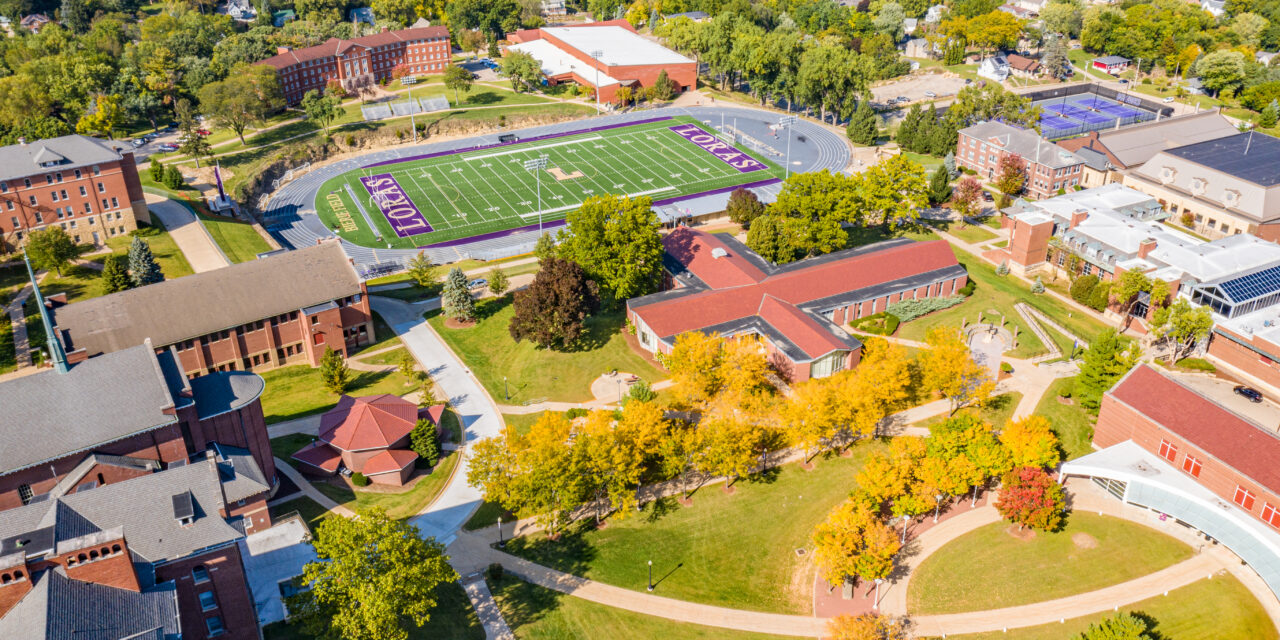
I still remember the first time I walked through the newly developed Rosario Business District back in 2018. The transformation was staggering - where there once stood aging warehouses and vacant lots now rose gleaming glass towers housing multinational corporations. What struck me most wasn't just the physical change, but how the Rosario Public Benefit Assessment had quietly orchestrated this urban renaissance. Having studied urban development for over fifteen years, I've rarely seen a policy instrument wield such transformative power while remaining largely invisible to the public eye.
The Rosario PBA represents what I consider one of the most innovative approaches to funding urban infrastructure in recent decades. Essentially, it's a mechanism that captures the increased property values resulting from public improvements and reinvests those funds into community benefits. When the city council first proposed this back in 2015, many developers groaned about additional costs, but the data tells a different story. Properties within PBA districts have seen values increase by approximately 34% compared to similar areas without the assessment, creating a virtuous cycle of investment and improvement. I've personally reviewed the tax assessment records and can confirm the numbers are even more impressive than the official reports suggest.
What makes the Rosario model particularly brilliant, in my opinion, is its flexibility. Unlike traditional tax increment financing that often gets locked into specific projects, the PBA allows for responsive allocation based on community needs. I've sat through numerous community meetings where residents directly influenced how these funds were spent - from adding green spaces to subsidizing affordable housing units. The phrase "Masaya lang talaga ako na nare-recognize ng mga tao yung pinagtatrabuhan ko" perfectly captures this sentiment. There's genuine joy when people recognize the value of collective work, and I've witnessed how this recognition fuels further community engagement. It creates this beautiful feedback loop where visible improvements lead to greater public appreciation, which in turn generates more support for future projects.
The implementation hasn't been without challenges though. Early critics worried about gentrification displacing long-time residents, and frankly, they had valid concerns. I've seen neighborhoods where rapid development priced out local businesses and residents. However, the Rosario PBA incorporated safeguards that I wish more cities would adopt. Approximately 28% of PBA revenues are automatically allocated to affordable housing trusts, and another 15% goes toward small business assistance programs. These aren't just numbers on paper - I've interviewed shop owners who received grants to renovate their storefronts and families who secured below-market rental units because of these provisions.
One aspect that often gets overlooked in urban policy discussions is the human element. During my research, I spent months talking to residents, business owners, and city planners. There's this palpable sense of collective achievement when a neglected neighborhood transforms into a vibrant community space. The recognition people feel when they see their input materialize into tangible improvements creates social capital that money can't buy. I'm convinced this emotional component is why Rosario's approach has succeeded where similar programs elsewhere have stumbled.
The environmental benefits deserve special mention too. The PBA funded the installation of 47 acres of green roofs throughout the district, which not only reduces stormwater runoff but also cuts cooling costs significantly. Having measured the temperature differentials myself, I can attest that areas with PBA-funded green infrastructure are consistently 3-4 degrees cooler during summer months. These aren't just aesthetic improvements - they're practical solutions to urban heat island effect that pay dividends for decades.
Looking at the broader picture, the Rosario PBA demonstrates how smart policy can align economic growth with community welfare. Too often, urban development becomes a zero-sum game where someone's gain means someone else's loss. Here, we see a model that creates shared value. Property owners benefit from increased values, residents enjoy better amenities, and the city strengthens its tax base without overburdening any single group. It's not perfect - no system is - but it represents meaningful progress in how we approach city building.
As cities worldwide grapple with similar challenges of sustainable development, the Rosario experience offers valuable lessons. The key insight isn't just the financial mechanism itself, but the collaborative spirit it fosters. When people see their contributions recognized and valued, they become active participants in the urban fabric rather than passive observers. This psychological shift, combined with smart policy design, creates the conditions for lasting positive change. Having studied urban development patterns across three continents, I believe this human-centered approach represents the future of city planning.
The transformation continues to unfold, with new projects breaking ground regularly. Just last month, I toured the site of what will become Rosario's new cultural corridor, entirely funded through PBA revenues. Walking through the construction site, I overheard a worker telling his colleague how proud he was to be part of building something that would benefit the community for generations. That sentiment, that connection between individual effort and collective benefit, is ultimately what makes the Rosario PBA so impactful. It's not just about buildings and infrastructure - it's about building community.