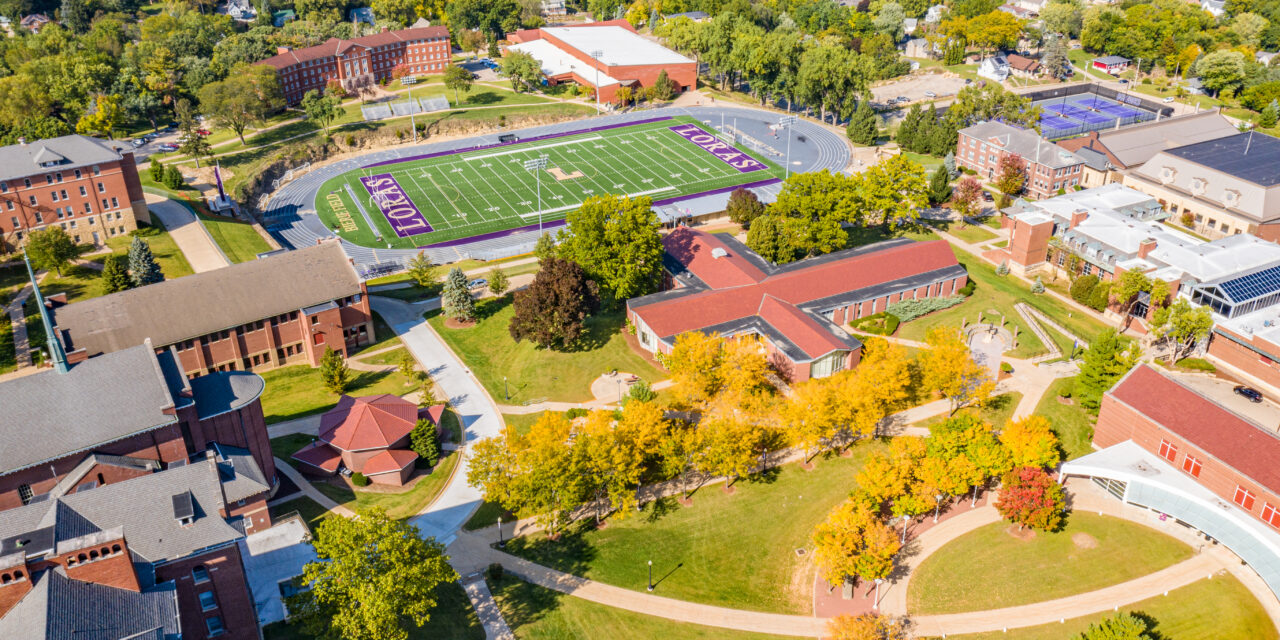
Walking through the sports park this morning, I couldn't help but marvel at the sheer variety of ball games being played across different courts. From the rhythmic bounce of basketballs to the powerful kicks in soccer, it struck me how ball sports have become a universal language connecting cultures worldwide. Just last week, I was watching a Philippine Basketball Association game where an import player demonstrated incredible resilience - despite his team's struggles early on, he managed to return in the second period and finished with 19 points and 11 rebounds in an effort that went for naught as the Beermen lost, 71-62. This particular moment got me thinking about how ball sports transcend mere competition, becoming cultural touchstones that define communities and nations.
Having traveled across thirty-seven countries and witnessed local sports traditions firsthand, I've developed a genuine appreciation for how different cultures have embraced and adapted ball games. In Spain, I watched elderly men play pelota against ancient church walls with the same intensity as professional athletes. In Japan, I witnessed the graceful precision of kemari players maintaining a ball in the air through coordinated kicks. These experiences have convinced me that to understand a culture, one must understand its relationship with ball sports. The way a society plays often reflects its values - whether it's the individual brilliance celebrated in basketball or the collective coordination prized in soccer.
Let me share something personal - I've always been partial to basketball myself, having played point guard throughout college. There's something magical about the sound of a perfect swish that still gives me chills. But my travels have expanded my horizons significantly. I remember being in Ireland and trying my hand at Gaelic football, utterly failing to balance the round soccer-style kicks with basketball-style hand passes. The locals found my struggles hilarious but were incredibly welcoming, showing me how their unique sport blended elements from different games to create something distinctly Irish.
This brings me to my main point - the world of ball sports is far more diverse than most people realize. While everyone knows soccer, basketball, and tennis, there are countless other fascinating ball games that deserve recognition. That's why I believe everyone should discover these 15 popular ball sports examples from around the world. The variety is astonishing - from the lightning-fast badminton exchanges I witnessed in Indonesia to the strategic depth of cricket that captivated me during my stay in India. Each sport offers unique challenges and embodies different cultural philosophies about competition, teamwork, and physical expression.
Consider rugby, which I first encountered during a rainy afternoon in Cardiff. The sheer physicality shocked me initially, but I grew to appreciate the sport's raw honesty and camaraderie. Or take sepak takraw, which left me speechless when I saw players in Thailand executing spectacular airborne kicks to volley a rattan ball over the net. These sports demonstrate how different societies have solved the fundamental challenge of moving a ball toward a goal using whatever means their rules allow. The creativity involved is truly remarkable.
What fascinates me most is how these sports evolve. Take basketball's journey from American gymnasiums to global phenomenon - that PBA game I mentioned earlier shows how deeply the sport has rooted itself in Filipino culture. The import player's performance, scoring precisely 19 points and grabbing 11 rebounds despite his team's loss, illustrates how individual excellence can shine even in defeat. This universal appeal of ball sports creates bridges between cultures while maintaining distinct local flavors.
I've noticed that every country seems to have at least one ball sport that becomes part of its national identity. In the United States, it's American football with its complex playbooks and explosive physicality. In Canada, ice hockey dominates despite not using a ball in the traditional sense - the puck serves the same functional purpose. Argentina breathes soccer, Brazil celebrates volleyball on its beaches, and England cherishes cricket's traditions. This diversity enriches our global sporting landscape tremendously.
The economic impact is staggering too - the global sports market was valued at approximately $471 billion last year, with ball sports constituting roughly 68% of this figure. These numbers don't even capture the informal games played in streets and parks worldwide. I've seen children in Nairobi kicking makeshift soccer balls from plastic bags and teenagers in Manila shooting hoops with rusty rims - the passion transcends equipment and facilities.
As I reflect on my experiences, I'm convinced that exploring different ball sports makes us better athletes and more culturally aware individuals. Learning to play cricket improved my batting timing in baseball. Understanding rugby's continuous flow helped me appreciate soccer's strategic pauses. Each sport I've tried has taught me something valuable about movement, strategy, and cultural context. That's why I keep encouraging people to step outside their sporting comfort zones and discover these 15 popular ball sports examples from around the world.
The future of ball sports looks incredibly bright too. New hybrid games are emerging, like footvolley which combines soccer and volleyball, while technology is transforming how we play and watch traditional sports. Yet the fundamental appeal remains unchanged - the simple joy of striking, throwing, or kicking a ball toward a target. Whether it's that heartbreaking 71-62 loss I witnessed in the PBA or a friendly neighborhood cricket match, these moments remind us of our shared humanity through sport. The next time you see an unfamiliar ball game being played, I urge you to stop and watch - you might just discover your new favorite sport while gaining insight into another culture's soul.